Avian Ecology

How Solar Farms Can Boost Biodiversity – Our Role at Yelvertoft

A recent article by the RSPB highlights how carefully planned and well-managed solar farms can deliver meaningful benefits for wildlife – demonstrating that renewable energy and biodiversity need not be in conflict. With the right approach, solar farms can become species-rich, structurally varied habitats that support birds, pollinators and small mammals, often outperforming surrounding intensive farmland in terms of ecological value

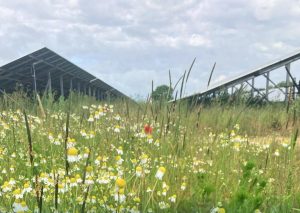
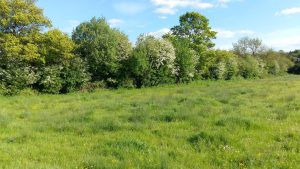
The RSPB notes that research shows solar farms designed with nature in mind can host a wide range of bird species, including those of conservation concern such as Linnet, Corn Bunting and Yellowhammer. Wildflower meadows, varied grassland, hedgerows, ponds, and reduced disturbance allow insects, bats, amphibians and mammals to thrive, helping to build a patchwork of complementary habitats in agricultural landscapes

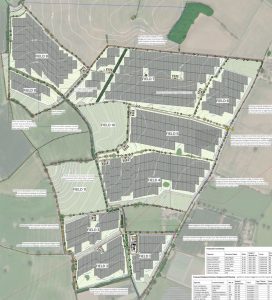
Yelvertoft Solar Farm – A Case Study in Nature-Positive Design

We are proud that our work at Yelvertoft Solar Farm, co-developed by Lightrock Power and Bluefield, is featured as one of the positive case studies in the RSPB’s article. As the project’s ecological consultants, we undertook the baseline surveys, ecological reporting, and the design of targeted mitigation and enhancement measures.

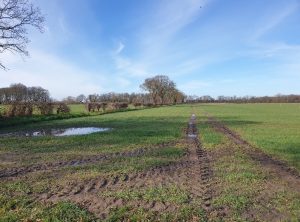
The site was planned from the outset with biodiversity in mind, an approach highlighted by the RSPB as being particularly effective. Now in operation, Yelvertoft is already showing strong ecological results. During the RSPB’s visit, species such as Goldfinch, Swallow, Buzzard, Raven, Clouded Yellow and Common Blue butterflies were observed, alongside Hares, Badgers and diverse wildflower assemblages across the grassland and swales

Rotational sheep grazing, structurally diverse vegetation, and natural regeneration of seedbanks are helping to restore soil health and create a varied mosaic of habitats. Early indications suggest the site is performing well above the 10% Biodiversity Net Gain requirement, with promising signs for priority species in the coming years

Renewables and Nature Working Together

The RSPB emphasises that solar farms are not a replacement for specialist habitats, but when carefully sited and managed, they can play an important role within wider ecological networks. Yelvertoft, planned with nature from the outset, demonstrates the potential for solar energy infrastructure to contribute positively to local biodiversity while continuing to function as productive agricultural land.

We are delighted to see the project recognised and to have played a key role in shaping its ecological success. As demand for renewable energy grows, our team remains committed to delivering designs that support both climate goals and thriving natural systems..


Scroll to Top